Source Eco Friendly Ceramic Charger Plate for Restaurants
Find 30 eco friendly ceramic charger plate options from China. Compare styles, sizes, and certifications like FDA and CE to select the right dinnerware for hotels, restaurants, and home kitchens; compare the available evidence and request quotations based on your requirements.
Key considerations
Products List
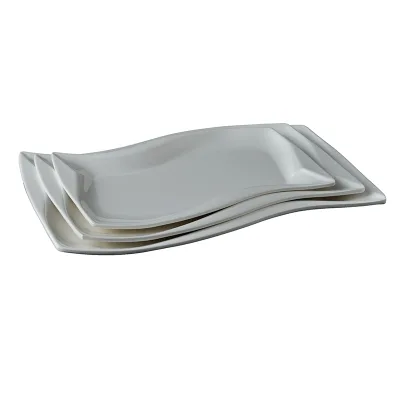
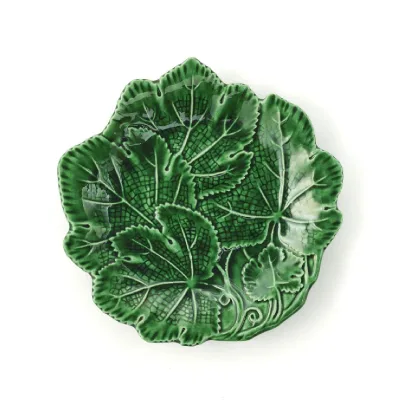


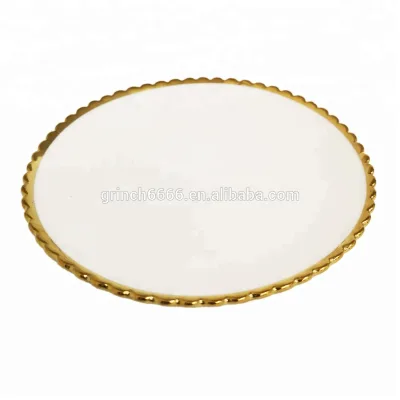


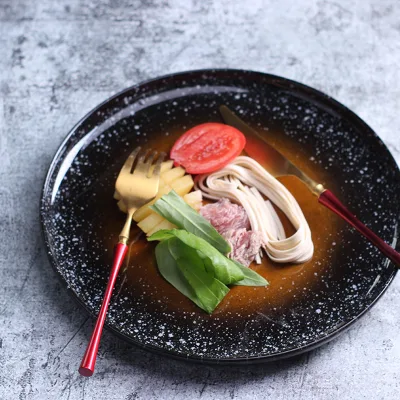



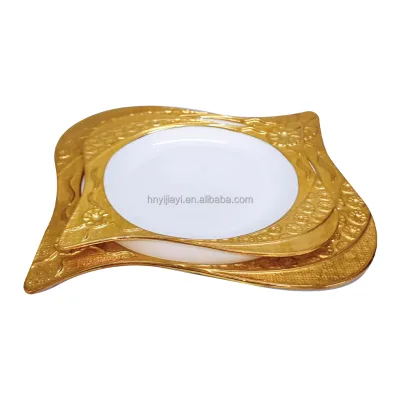


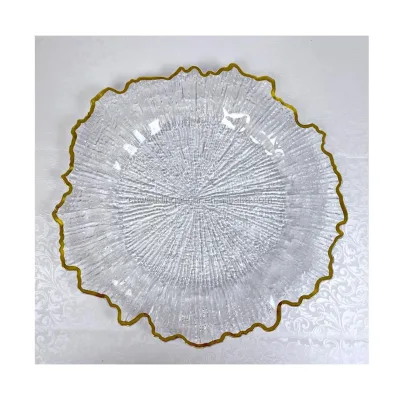

Comprehensive Sourcing Guide
Eco Friendly Ceramic Charger Plate Sourcing Guide
Sourcing eco-friendly ceramic charger plates requires a nuanced understanding of material composition, manufacturing techniques, and supply chain transparency. Buyers must distinguish between marketing claims of sustainability and verifiable production practices, such as the use of lead-free glazes and energy-efficient kiln processes. The observed market data indicates a diverse range of products, from vintage-style dinnerware to modern irregular shapes, all centered around ceramic and stoneware materials. This guide provides a structured approach to evaluating suppliers, ensuring that procurement decisions align with both aesthetic requirements and environmental standards.
The core keyword highlights a specific intersection of functionality and sustainability. Charger plates serve as decorative bases for dinnerware, enhancing table settings in hotels, restaurants, and homes. While the term "eco-friendly" is prevalent, buyers should verify specific attributes such as non-disposable status, recyclability, and safe material composition. The following sections detail the technical specifications, compliance requirements, and commercial terms necessary to navigate this market effectively, ensuring that sourced products meet rigorous quality and ethical standards.
Product Scope and Observed Listing Signals
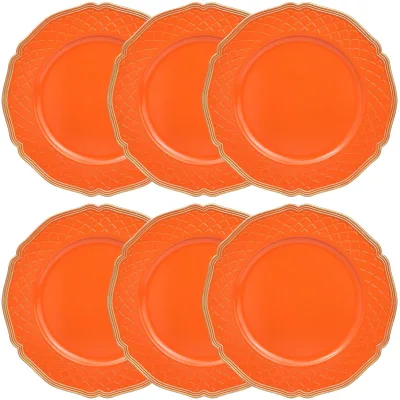
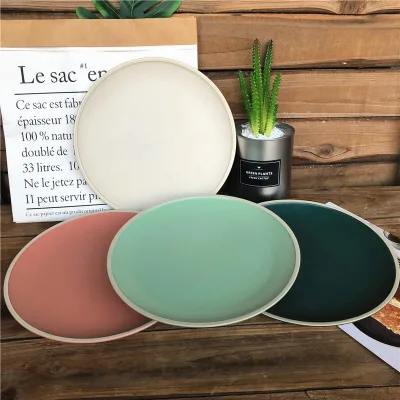
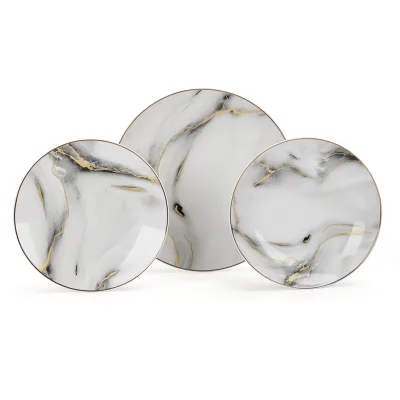
The current market landscape for ceramic charger plates reveals a wide variety of styles, including vintage designs, irregular shapes, and square or round formats. Observed listings indicate that products are often marketed as eco-friendly and stocked, with customization options available for patterns and colors. Buyers should note that while some items are described as having a leaf shape or specific model numbers, the general category encompasses multi-size options suitable for various table settings. This diversity allows for tailored procurement strategies based on specific aesthetic or functional needs.
Material composition is a critical factor in defining the product scope. Most observed items are made from ceramic, stoneware, or porcelain, with techniques such as on-glazed printing enhancing their visual appeal. The presence of certifications like CE/EU, FDA, Lfgb, and Sgs suggests that many suppliers adhere to international safety standards for food contact materials. However, buyers must verify these claims independently, as certification status can vary between suppliers and specific product lines. Understanding these signals helps in filtering suppliers who prioritize both quality and environmental responsibility.
Technical Specifications to Verify
Technical verification begins with material integrity and dimensional accuracy. Buyers should confirm that the ceramic or stoneware used is free from harmful substances and suitable for repeated use in commercial settings. Specifications such as diameter, thickness, and weight are crucial for logistics and table setting consistency. For instance, observed single package sizes and gross weights provide insights into packaging efficiency and handling requirements. Ensuring that the product dimensions match the intended use case prevents issues during installation and service.
Surface treatment and durability are equally important technical aspects. The on-glazed technique mentioned in some listings offers vibrant colors and patterns but must be evaluated for chip resistance and thermal shock stability. Buyers should inquire about the firing temperature and glaze composition to ensure long-term durability. Additionally, verifying the suitability for oven, microwave, dishwasher, and freezer use is essential for versatile application. These technical details directly impact the product's lifespan and customer satisfaction, making them non-negotiable in the sourcing process.
Compliance and Safety Documentation
Compliance with international safety standards is paramount for ceramic tableware. Certifications such as CE/EU, FDA, Lfgb, and Sgs indicate that products have undergone rigorous testing for lead and cadmium leaching. Buyers must request valid certificates from accredited laboratories and verify their authenticity with the issuing bodies. These documents provide assurance that the charger plates are safe for food contact and meet regulatory requirements in target markets. Without proper documentation, products may face customs delays or legal liabilities.
Beyond material safety, environmental compliance is increasingly important. Buyers should assess suppliers' adherence to environmental regulations regarding waste management and emissions. While specific standards may vary by region, general best practices include the use of non-toxic materials and efficient energy consumption during production. Requesting detailed compliance reports helps in evaluating the supplier's commitment to sustainability. This due diligence ensures that the sourced products align with corporate social responsibility goals and consumer expectations for eco-friendly goods.
Cost Drivers and Commercial Terms
Cost structures for ceramic charger plates are influenced by material quality, customization complexity, and order volume. Observed price ranges and MOQs suggest that economies of scale play a significant role in pricing. Buyers should analyze the cost breakdown to understand how factors like glaze type, pattern complexity, and packaging affect the final price. Transparent pricing helps in budgeting and negotiating favorable terms. It is also important to consider the total cost of ownership, including shipping and potential returns, rather than just the unit price.
Commercial terms such as payment methods, lead times, and warranty policies are critical for risk management. Buyers should negotiate clear terms that protect their interests, including quality guarantees and return policies for defective items. Understanding the supplier's production capacity and lead times ensures timely delivery, which is crucial for maintaining inventory levels. Additionally, exploring options for bulk packaging can reduce shipping costs and environmental impact. These commercial considerations are integral to a successful procurement strategy.
Supplier Qualification and Quality Control
Supplier qualification involves a thorough assessment of manufacturing capabilities and quality management systems. Buyers should verify the supplier's experience in producing ceramic tableware and their ability to meet specific customization requests. On-site audits or third-party inspections can provide insights into production processes, worker conditions, and quality control measures. A robust quality control system ensures consistent product quality and reduces the risk of defects. This step is essential for building a reliable supply chain.
Quality control protocols should include pre-production samples, in-process inspections, and final random inspections. Buyers must define clear acceptance criteria for color, shape, and surface finish. Implementing a structured QC process helps in identifying and addressing issues early in the production cycle. Additionally, establishing a communication channel for feedback and continuous improvement fosters a collaborative relationship with the supplier. These practices ensure that the sourced products meet the highest standards of quality and reliability.
Long-Term Procurement Checks
Long-term procurement success depends on continuous monitoring and relationship management. Buyers should regularly review supplier performance metrics, including on-time delivery, product quality, and responsiveness to issues. Establishing key performance indicators (KPIs) helps in tracking progress and identifying areas for improvement. Regular communication and feedback sessions strengthen the partnership and ensure alignment on goals. This proactive approach minimizes disruptions and enhances supply chain resilience.
Sustainability efforts should be continuously evaluated and improved. Buyers should encourage suppliers to adopt more eco-friendly practices, such as using recycled materials or reducing carbon emissions. Tracking progress towards sustainability goals provides valuable insights into the supplier's commitment to environmental responsibility. Additionally, exploring opportunities for innovation, such as new designs or materials, can keep the product offering competitive. These long-term checks ensure that the procurement strategy remains effective and aligned with evolving market demands.
FAQs
What certifications do these ceramic plates hold?
These ceramic plates hold CE/EU, FDA, Lfgb, and Sgs certifications. This ensures they meet international safety and quality standards for food contact. Buyers can trust the materials are safe for kitchen use in various global markets without additional testing requirements.
Can I customize the design and pattern?
Yes, customization is available with ODM and OEM services welcome. You can request customized patterns and specific shapes like irregular or square designs. The supplier supports tailored solutions to match your brand identity or specific event themes effectively.
What is the minimum order quantity for these items?
The minimum order quantity ranges from 2 to 2000 units depending on the specific item and customization level. Stocked items may have lower MOQs, while custom designs might require higher volumes. Check specific listings for exact quantity requirements.
Are these plates suitable for microwave and dishwasher use?
Yes, these ceramic plates are suitable for oven, microwave, dishwasher, and freezer use. They are non-disposable and designed for durable, repeated use in home, restaurant, or hotel settings. This versatility makes them practical for daily dining and commercial service.
Where are these ceramic products manufactured?
These ceramic products are manufactured in Fujian, China. The region is known for its high-quality ceramic production capabilities. Buyers can expect reliable sourcing from this established manufacturing hub with established supply chains and production expertise.
What packaging is used for these ceramic plates?
The plates use bulk packaging for efficient shipping and handling. The single package size is approximately 30x30x30 cm with a gross weight of 3.000 kg. This packaging ensures safe transport while minimizing volume for cost-effective logistics.